

Physics Minor
A valuable microcredential
The physics minor gives you the opportunity to achieve greater depth or breadth beyond the general-physics sequence that is commonly required in most STEM majors. Every physics course trains your analytical and problem-solving skills, regardless of the content, so you can choose coursework that appeals to you once you have completed the introductory sequence.
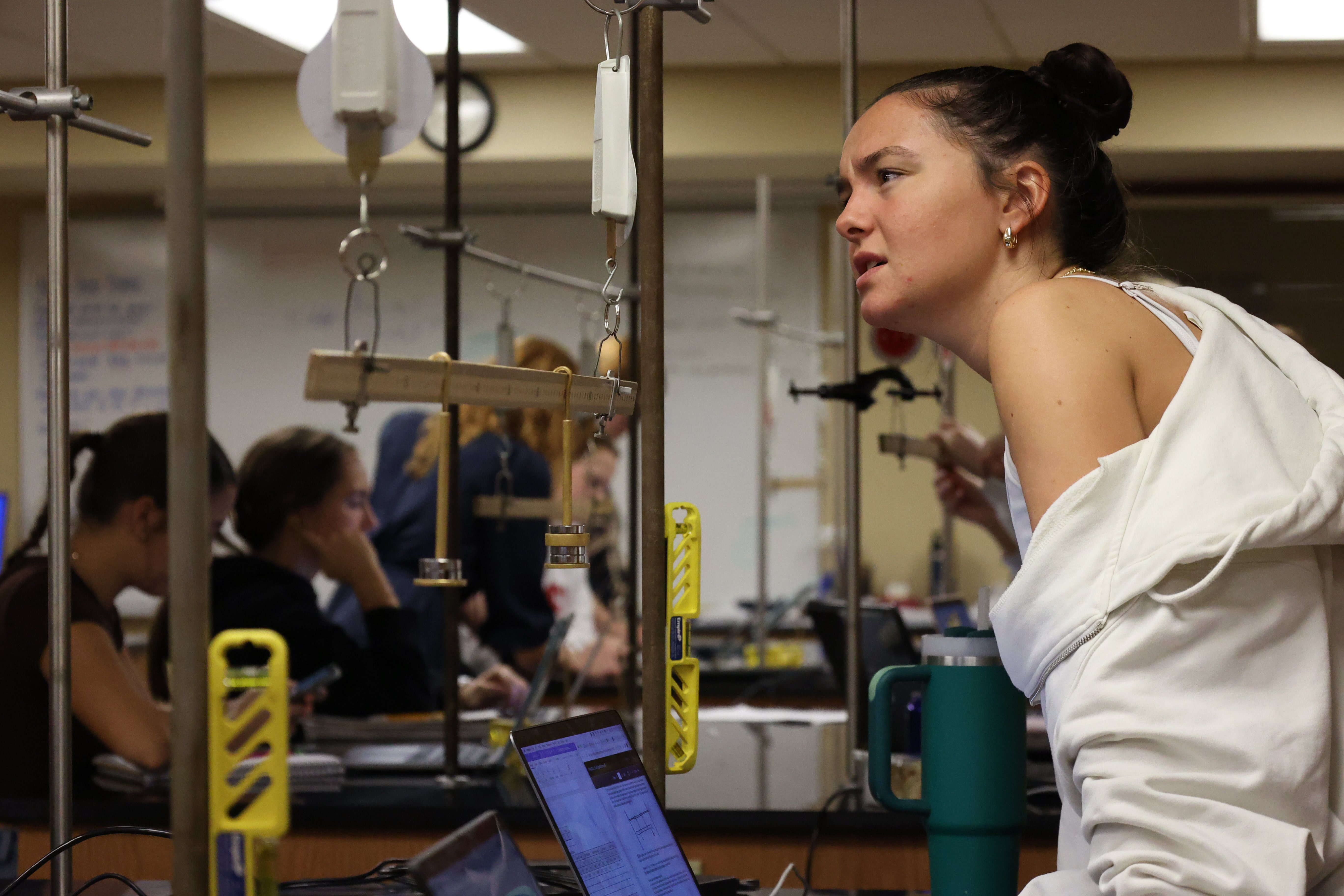
With the option to complete the program with or without lab experiences, our minor is designed to accommodate both types of physics-minded learners: the hands-on enthusiast and the arm-chair philosopher.
Whichever type you identify with, the physics minor will enhance your readiness to meet new challenges and tackle complex problems in your career.
Program Information
The Physics minor at Duquesne University provides a strong foundation in calculus-based physics, ideal for complementing majors in science, engineering or math. With flexible lab and non-lab options, you'll learn classical, relativistic and quantum physics before tailoring the program to your academic and career goals.
Program Type
Minor
Academic Department
Physics
Required Credit Hours
15 credits
Our physics programs prepare you to think critically, solve complex problems, and
innovate across a wide range of careers. You can choose between a Bachelor of Science,
with more prescribed coursework, or a flexible Bachelor of Arts—both of which include
a built-in minor in mathematics. Hands-on labs, embedded programming, and access to
research and internship opportunities ensure you graduate with in-demand skills. With
small class sizes, close faculty mentorship, and a collaborative community, you'll
be supported every step of the way.
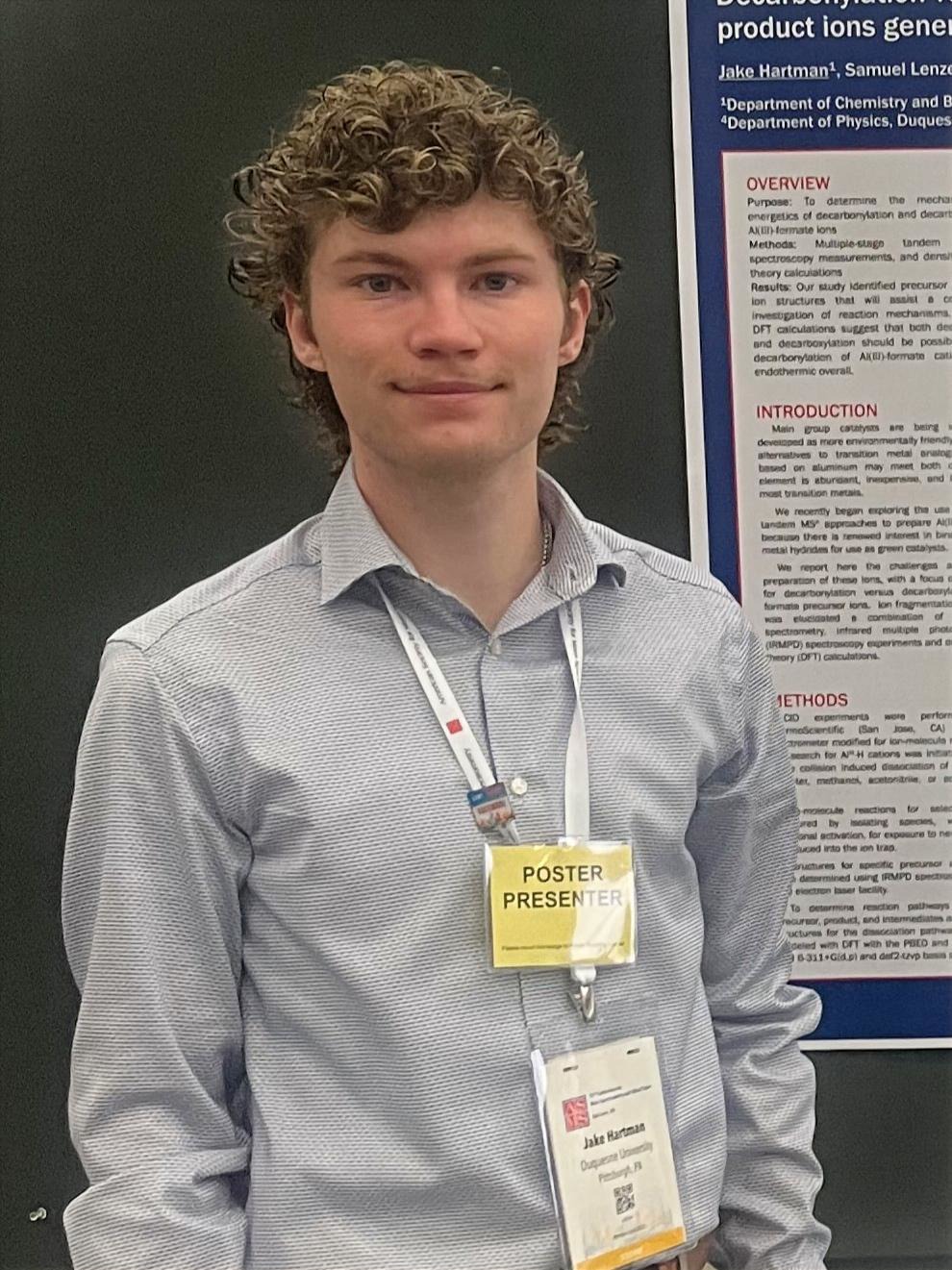
Declaring a minor in physics has allowed me to explore new topics that interest
me while also complementing my coursework in chemistry and mathematics. The skills
I've developed in the classroom have deepened my understanding of the principles behind
my chemistry research and strengthened my foundation for future opportunities in science.
The techniques taught in my physics classes are beneficial in all of my courses,
allowing me to analyze problems from a new perspective. It is an added bonus that
the professors in the physics department have been extremely helpful! Obtaining a
minor in physics is beneficial because it shows employers that you are able to evaluate
obstacles from different points of view.
Frequently asked questions about minoring in Physics There is no need to postpone the physics coursework: you can take calculus I concurrently
with general physics I and calculus II concurrently with general physics II. However,
you must pass calculus III before you can enroll in modern physics. Yes, some substitutions are allowed, particularly for general physics I and electronics. See details in the undergraduate catalog. Physics credentials of any type are rare. A physics minor would make you stand out
from your competitors with similar qualifications. For more information about the Physics minor, reach out to your Student Success Coach!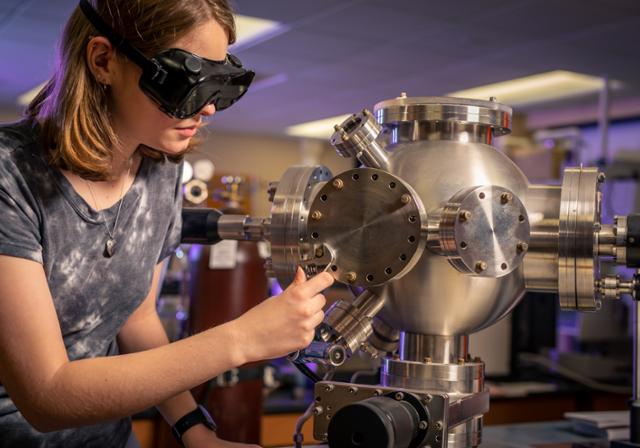
Flexible Degree Options. Powerful Career Preparation
Physics Minor Requirements
Real Voices. Real Experiences.

Physics Minor FAQs
Questions? Contact Us!