

As a first-year student at Duquesne, Becca Pollack found the guidance and encouragement she needed to navigate college through the School of Science and Engineering's Peer Mentoring Program. Now, as the program's president, she helps support a new generation of students.
Starting college can bring plenty of questions, especially for students entering a demanding STEM program. For Becca Pollack, a senior Biology major from San Diego, California, having someone who understood the experience made all the difference.
Becca initially joined the Peer Mentoring Program because she liked the idea of having an older student to turn to for advice. She was paired with a third-year Forensic Science major who, like Becca, was on the pre-med track. Although they studied different majors, their shared academic interests helped them connect.
Her mentor offered practical advice about getting involved in research, building relationships with professors and navigating the demands of being a STEM student. Just as importantly, she became someone Becca could talk to when college felt overwhelming.
“It’s made me much more comfortable asking for help. Being someone now who gets asked those questions has shown me that the vast majority of people are more than happy to help and have no judgement.”
After serving as a mentor and secretary, she became the program’s president during her junior year, eager to give younger students the same support she received.
Helping Students Navigate Their First Year
The Peer Mentoring Program connects incoming School of Science and Engineering students with upperclassmen who can share advice, answer questions and help them adjust to college. Students are matched based on factors such as major, career goals and shared interests, with each mentee typically paired with one or two mentors.
Mentors recommend meeting about twice a month, with conversations shaped around each student's needs. Some students seek guidance on courses, professors and study strategies, while others have questions about roommates, friendships and adjusting to life away from home.
For Becca, one of the program’s greatest strengths is that mentors have recently experienced the same transition their mentees are navigating.
“Having someone who knows what it’s currently like to be a college student and who was in your shoes only a couple years ago is so helpful because they can offer both relevant advice and be someone who you can relate to.”
That perspective is particularly valuable as students adjust to the independence and academic expectations of a college STEM curriculum. Mentors share study strategies, help students identify academic resources and offer encouragement as they develop their own approaches to learning. They also remind students that finding friendships and a sense of belonging takes time.
Collaboration That Extends Beyond the Classroom
For Becca, the value of peer mentoring reflects something fundamental to studying science: success often depends on collaboration.
“Science is inherently collaborative and based in mentorship,” she says. “With STEM especially, it’s a field where you thrive with collaboration and community, just because it is so difficult and so much of what we do is based in teamwork.”
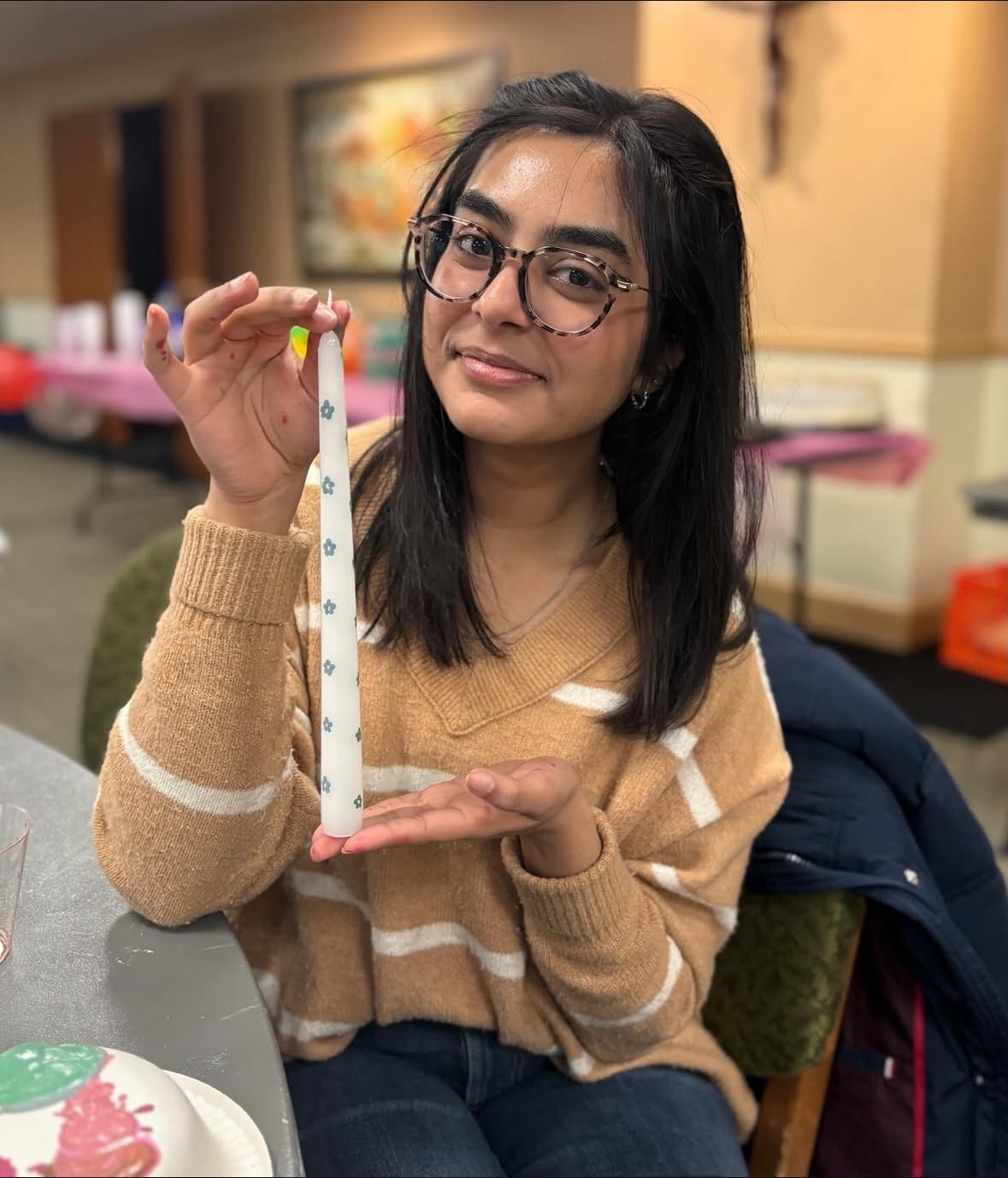
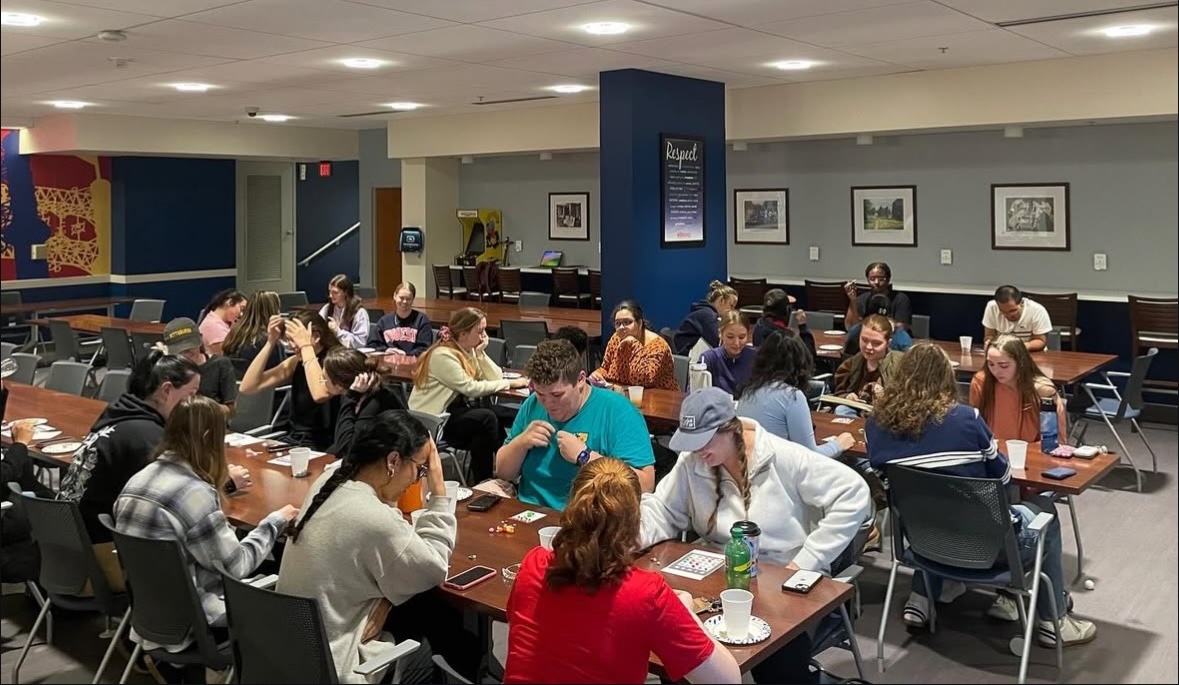
That spirit extends beyond individual mentor-mentee relationships. Throughout the semester, the program hosts activities and events that help students connect while navigating college together. Meetings cover practical topics such as course registration, internship applications and preparing for midterms, while group study sessions, game nights and the end-of-semester Design and Unwind event give students opportunities to build friendships and take a break from academics.
Some mentoring relationships even grow into lasting friendships, with former mentees continuing to stay connected with their mentors long after their official pairing ends. Students also develop connections with others in the program, regardless of their major or mentor match.
Seeing those relationships develop is one of the most rewarding parts of Becca’s leadership experience.
Empowering Students to Support One Another
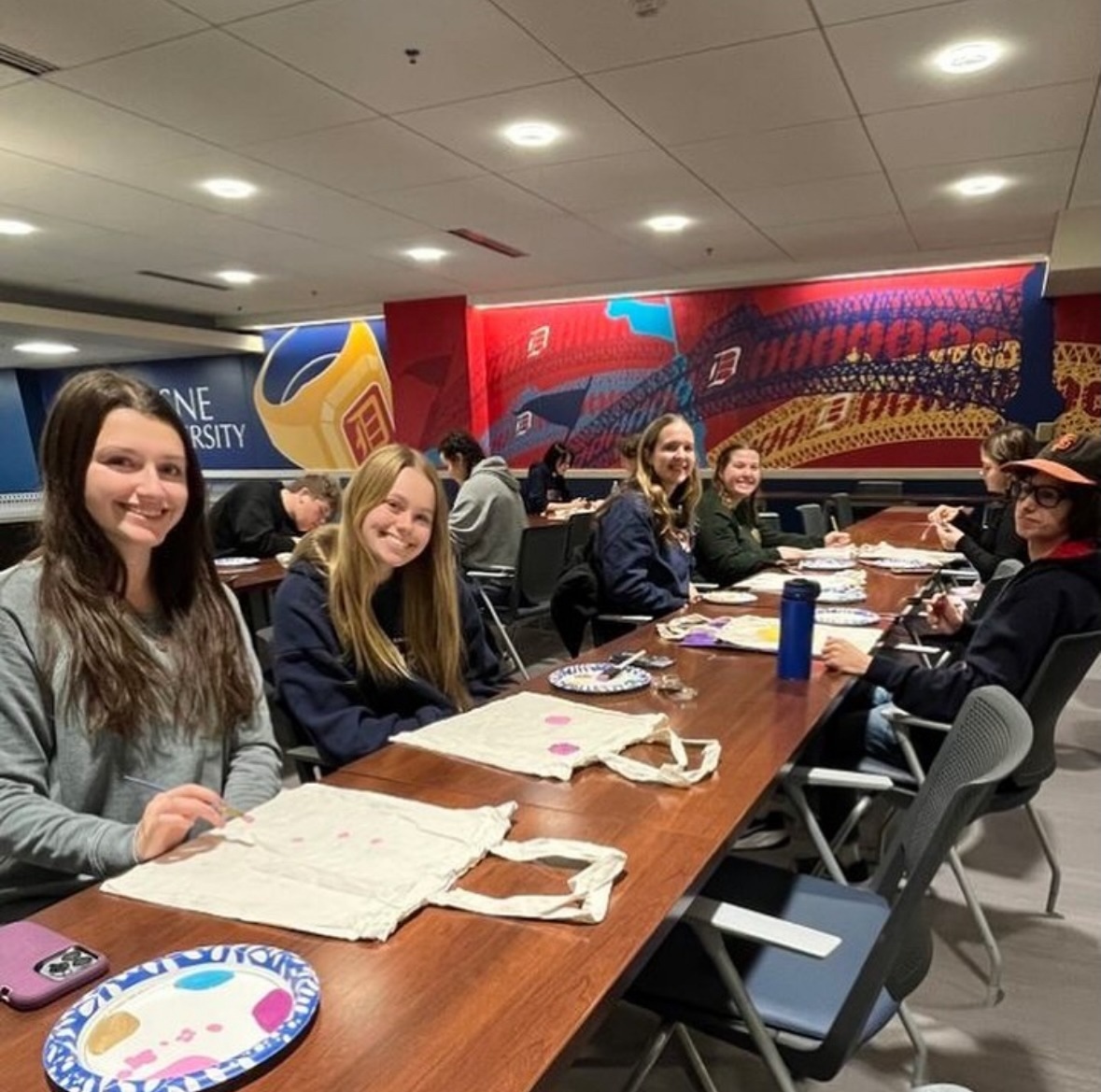
As president, Becca oversees mentor and mentee matching, organizes meetings and events and collaborates with the program’s faculty advisor and Duquesne staff to expand its reach across the School of Science and Engineering.
Her experience as both a mentee and mentor has shaped her into a more confident and approachable leader. As someone who hopes to become a physician, she also recognizes that mentorship and the ability to guide others will remain important throughout her career.
Through the Peer Mentoring Program, students put the School of Science and Engineering’s promise to empower, collaborate and innovate into action. Mentors empower younger students with guidance and encouragement, strengthen the community through collaboration and create an environment where students feel confident asking questions, exploring opportunities and finding their own paths to success.
Becca hopes every new student who joins the program leaves knowing that someone is invested in their success.
“I hope new students feel that someone has their back and legitimately cares about their success.”
“Obviously, professors and advisors do as well, but I want them to know that so do their peers. They aren’t in it alone.”
News Information