

Online Family Nurse Practitioner Post-Master's Certificate
Provide quality care for all ages with your advanced expertise.
Prepare to advance your existing career as an advanced practice nurse with your online Post-Master’s Certificate in Family (Individual Across the Lifespan) Nurse Practitioner. Our coursework will teach you how to deliver primary care and provide diagnoses and treatment plans to individuals of all ages in a variety of settings, including independent practice. Work closely with faculty experts to complete your clinical hours and prepare for the national Family Nurse Practitioner licensure exam.
Program Information
The focus of your online FNP certificate is to help you provide comprehensive, attentive care to family members in varied life stages. This spans infancy, childhood, adolescence, adulthood, older adulthood and families maturing together.
Degree
Certificate
School
Duration
2.5 years
Required Credit Hours
35 Credit Hours | 775 Clinical Hours
Modality
Online
Reading Duquesne’s mission wasn’t just informative, it was confirmation. I knew
I wanted to be educated in an environment that values service, holistic development,
and a higher purpose. That was the moment I felt certain that Duquesne was the right
place for me.
While online learning platforms provide schedule flexibility, I most enjoyed
the campus residency sessions as they were packed with essential content that has
been vital for me to know in my first CRNP role.
Student and Alumni Perspectives


Admissions
Admissions Requirements
To qualify for our online PMC programs, you must meet the following prerequisites:
- Hold a BSN and MSN from an accredited college or university with a 3.0 GPA or higher
- Hold a current, unencumbered RN license
- Complete a 3-credit undergraduate statistics course with a grade of ”C” or higher or a 3-credit graduate statistics course with a grade of “B” or higher
The faculty admissions committee may look more closely at nursing and science grades
when making admissions decisions.
Admissions Process
- Resume or curriculum vitae
- Professional goal statement
- Official transcript(s)
Transfer Credit Policy for PMC CRNP Students
- A maximum of 9 graduate credits, completed within the past 5 years from a previously earned graduate degree, may be transferred.
- A grade of “B” or higher is required.
- The Advanced Standing Request form must be submitted during the admissions process for transfer credits to be considered.
Graduate Nursing Scholarships and Tuition Discounts
Duquesne’s School of Nursing offers students of select graduate nursing programs one of the following scholarships and tuition discounts: a 25% scholarship, 35% scholarship, or 55% tuition discount.
Our FNP faculty are leaders in advanced practice nursing. Director and Faculty Faculty of Record for Advanced Pharmacology Faculty of Record for Advanced Pathophysiology Faculty of Record for Advanced Assessment Faculty Spring Summer *Students enrolled in GNFN 544 must also complete the three day on-campus requirement.Our Faculty Experts

Dr. Laura Crimm
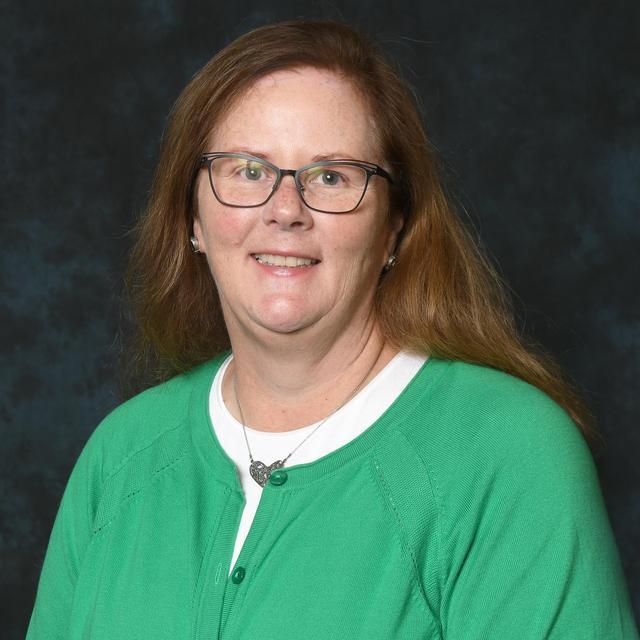
Dr. Denise Lucas

Dr. Frank Kosnoksy

Dr. Donna White

Dr. Christopher Baker
Curriculum
*Students enrolled in GPNG 535 are required to come to campus for three days. In addition
to the campus visit, precepted clinical hours are also required for GPNG 535.
Courses italicized are considered clinical courses. Students must refer to the Graduate
Student Handbook for all clinical policies and procedures specific to their program.
Spring
Summer
Courses italicized are considered clinical courses. Students must refer to the Graduate
Student Handbook for all clinical policies and procedures specific to their program.
Courses italicized are considered clinical courses. Students must refer to the Graduate
Student Handbook for all clinical policies and procedures specific to their program.
Do you have questions about the Family Nurse Practitioner Post-Master’s Certificate
program?Ask a Question
Learning Outcomes
Accreditation