

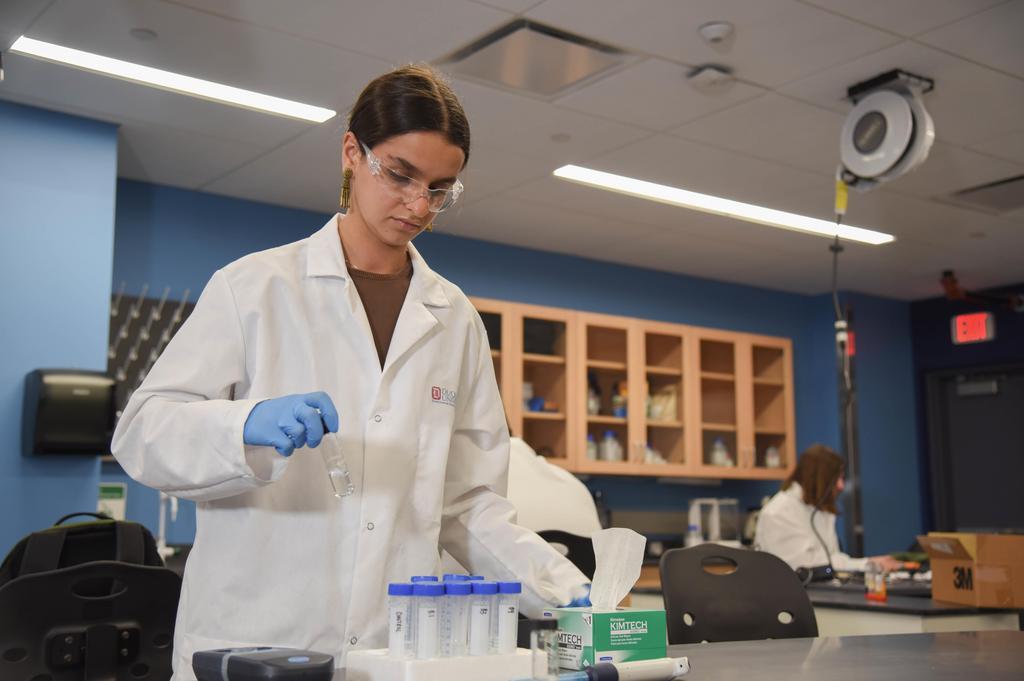
Environmental Science BS
Build a strong scientific foundation for solving today’s environmental challenges through the Bachelor of Science in Environmental Science. This interdisciplinary program combines biology, chemistry, earth science, physics and environmental policy to prepare you to study environmental systems and develop solutions that protect ecosystems, natural resources and human health.
Through hands-on coursework, field experiences and faculty-guided research, you’ll learn to analyze environmental data, investigate ecological and geological processes, evaluate environmental risk and apply scientific knowledge to real-world environmental issues. The program prepares you for careers in areas such as environmental science, hydrology, climatology, conservation, geoscience, environmental consulting, agricultural and food science, microbiology and environmental policy, while also providing excellent preparation for graduate and professional study.
One of the defining features of the program is the individualized mentorship you’ll receive from faculty and advisors who are invested in your academic and professional success. As an undergraduate, you’ll have opportunities to participate in meaningful research projects that address global environmental and societal challenges.
Throughout the program, you’ll develop technical skills in environmental sampling, laboratory analysis, geospatial technologies, data interpretation and scientific communication. Whether conducting fieldwork, analyzing environmental systems or collaborating on faculty research, you’ll gain the practical experience needed to address pressing environmental issues and make meaningful contributions to science, sustainability and public health.
Program Information
The Bachelor of Science (BS) in Environmental Science provides students with a strong foundation in the natural sciences and mathematics. Courses emphasize the integration of science, policy, and theory, providing students with a holistic view of the environmental challenges facing society.
Program Type
Major
Degree
Bachelor's
Academic Department
Environmental Science and Management
Duration
4 year
Required Credit Hours
127
Modality
In-Person
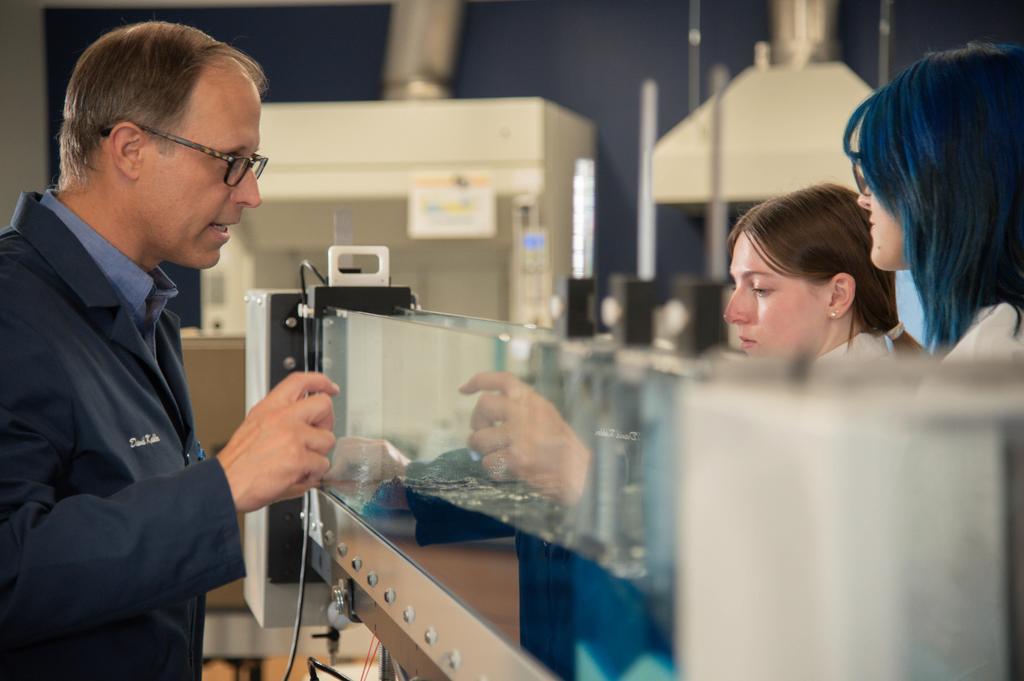
You can participate in faculty-led research that reflects the kinds of environmental
issues shaping communities around the world. Contact me, your Associate Dean, to get started on your academic path.
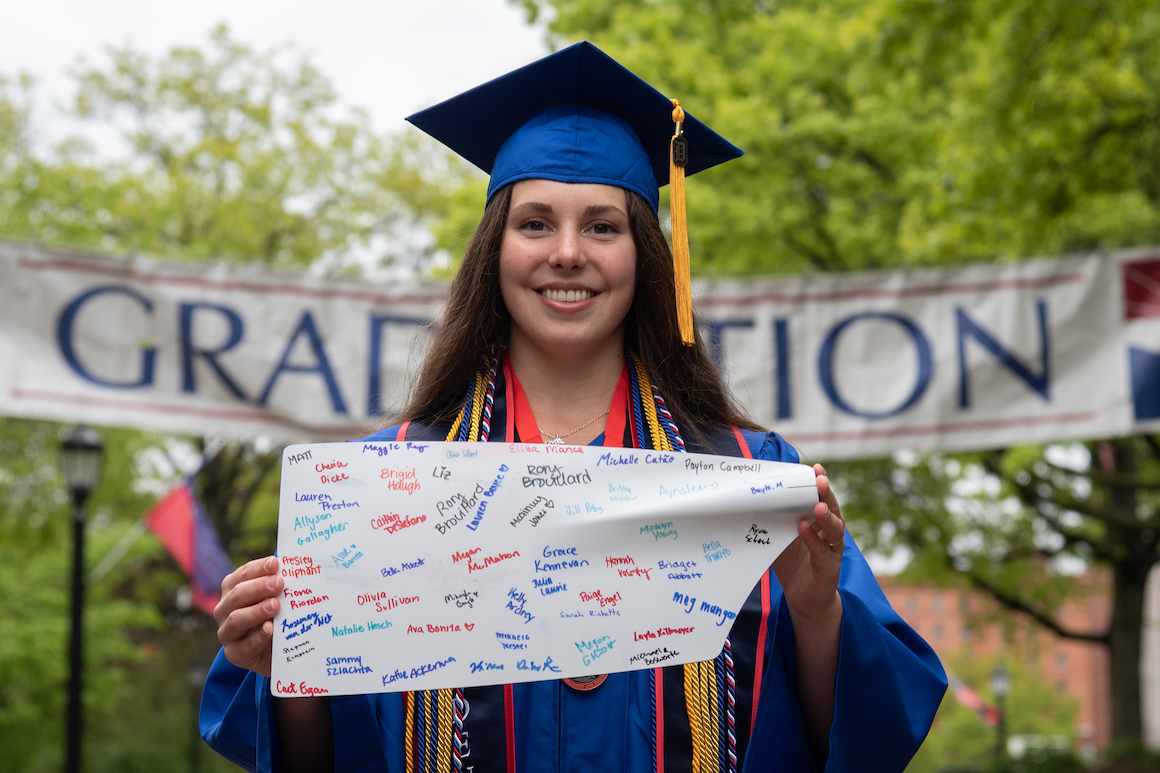
"My time at Duquesne has been a really great experience. I joined various student
organizations and became part of the Duquesne community, And then my research allowed
me to become part of a larger community, where I could use my skills to help improve
the environment.”
Research Opportunities
I Can Help You Reach Your Bigger Goals!
Dr. Phillip Palmer
Research That Makes a Difference
Thrive in the Classroom and Beyond
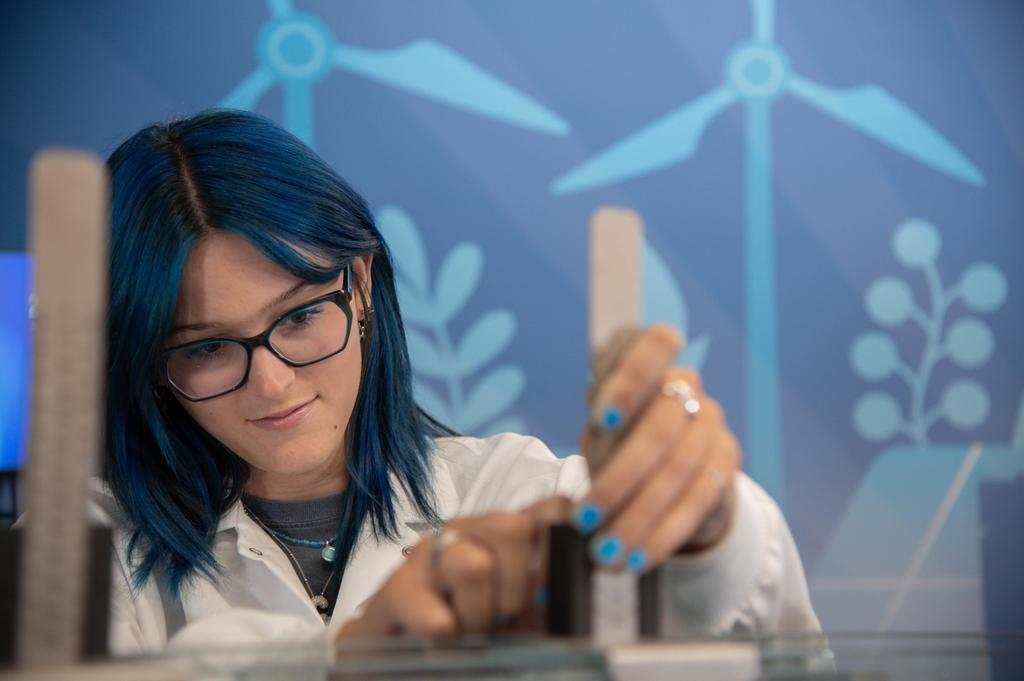
Get Hands-On Research Experience
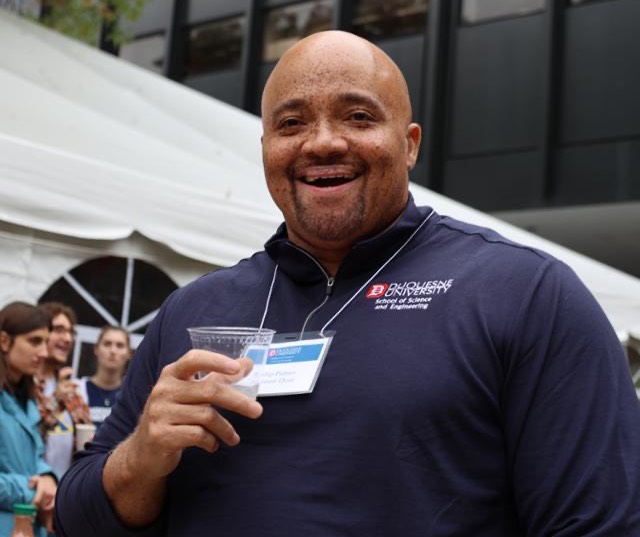
As a student in the environmental science program, you'll collaborate with faculty on scientific research, contributing to significant scientific goals and often co-authoring publications in leading journals like the Journal of Environmental Management, the Journal of Cleaner Production and the Environmental Impact Assessment Review.
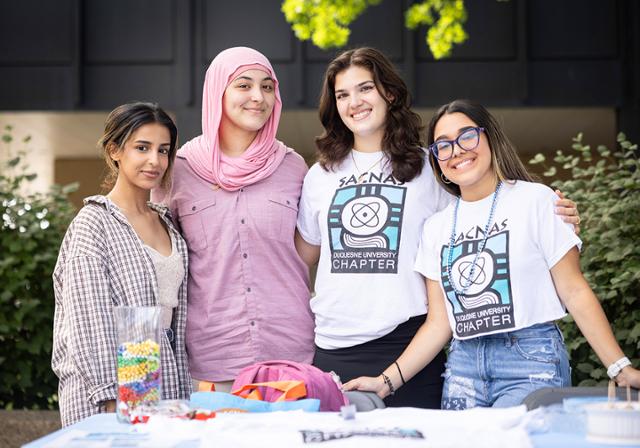
Find Your Tribe
You can explore your interests through approximately 14 clubs and organizations, which are open to science and engineering majors. These options include joining the Biomedical Engineering Society, the Society of Women Engineers and the Multicultural STEM Group, among others, to connect with like-minded peers and pursue your passions.
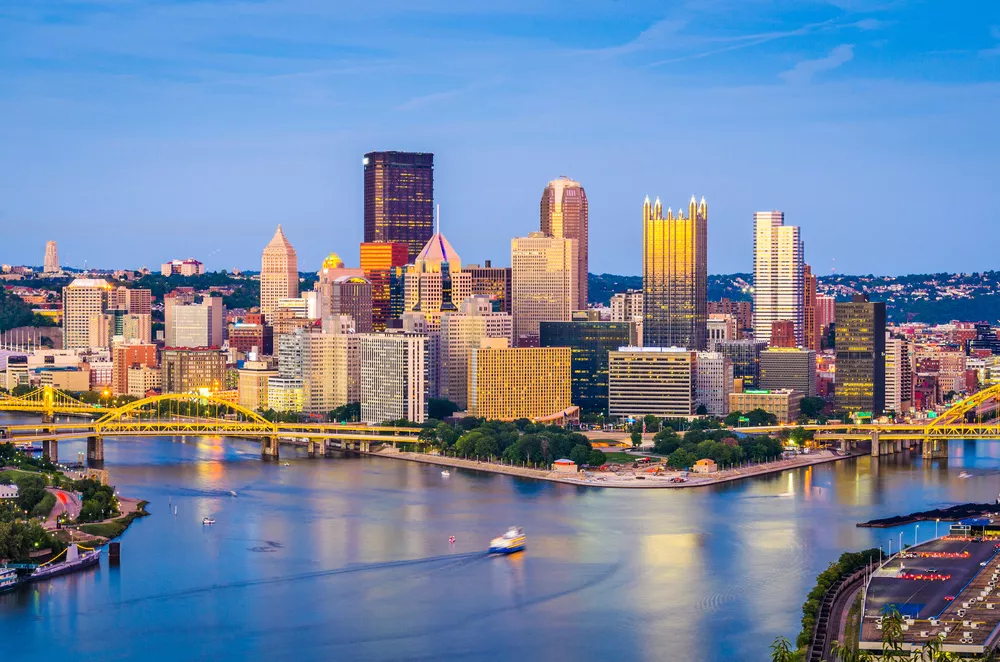
A City Full of Opportunity
Duquesne University is nestled in the heart of Pittsburgh, a city with 90 diverse neighborhoods where everyone can be themselves. Repeatedly ranked among the most livable cities, Pittsburgh offers a vibrant mix of opportunities just a few blocks from campus, including Fortune 500 companies, nonprofit organizations, and startups for work — and three major league sports teams for play!
Find the Environmental Science Path for You
Choose the Environmental Science program that fits your interests and career goals.
Each summer, you can take part in Duquesne's 10-week Summer Undergraduate Research
Program (URP), where you'll conduct hands-on research on funded projects supported
by government agencies, non-profit organizations and corporate foundations. These
projects often extend beyond campus to include partnerships with experts from major
research institutions and industry. To assist students in achieving their academic goals within the B.S. in Environmental
Science program, we recommend the following course sequence. Please note that undergraduate
research is highly encouraged. Fall Semester (15 credits) BRDG 100: Research & Information Skills — 1 credit BRDG 101: Writing and Analysis — 3 credits ENVI 251: Principles of Environmental Science — 3 credits MATH 115: Calculus I — 4 credits BIOL 111: Biology I — 3 credits BIOL 111L: Biology I Lab — 1 credi Spring Semester (14 credits) BRDG 102: Writing and Literature — 3 credits BRDG 105: Intro to Ethical Reasoning — 3 credits MATH 225: Statistics I — 3 credits CHEM 121: General Chemistry I — 3 credits CHEM 121L: General Chemistry I Lab — 1 credit SPRG 105: Seminar: Career Development — 1 credit Fall Semester (14 credits) BRCT: Critical Thinking — 3 credits BRCC: Communication & Creative Expression — 3 credits CHEM 122: General Chemistry II — 3 credits CHEM 122L: General Chemistry II Lab — 1 credit BIOL 112: Biology II — 3 credits BIOL 112L: Biology II Lab — 1 credit Spring Semester (14 credits) BRQS: Quantitative & Scientific Reasoning — 3 credits BRCF: Cultural Fluency & Responsiveness — 3 credits CHEM 211: Organic Chemistry I — 3 credits CHEM 211L: Organic Chemistry I Lab — 1 credit PHYS 201: Physics I — 3 credits PHYS 201L: Physics I Lab — 1 credit Fall Semester (14 credits) BRET: Ethical Reasoning — 3 credits BRSH: Social & Historical Reasoning — 3 credits CHEM 212: Organic Chemistry II — 3 credits CHEM 212L: Organic Chemistry II Lab — 1 credit PHYS 202: Physics II — 3 credits PHYS 202L: Physics II Lab — 1 credit Spring Semester (15 credits) THEO/PHIL Course — 3 credits ENGL 302W: Scientific Writing — 3 credits ENVI 452: Environmental Chemistry — 3 credits ENVI 470: Environmental Toxicology — 3 credits BIOL 212: Cell & Molecular Biology — 3 credits Fall Semester (13 credits) ENVI 472: Environmental Biology — 3 credits BIOL 250: General Microbiology — 3 credits MATH/CS Elective — 3 credits General Elective — 3 credits Experiential Learning — 1–3 credits Spring Semester (12 credits) ENVI Capstone — 0–3 credits MATH/CS Elective — 3 credits General Elective — 3 credits Experiential Learning — 1–3 credits MSCHE is Duquesne University’s institutional accreditor, recognized by the U.S. Department
of Education for ensuring the highest standards of academic quality and integrity.
This accreditation assures students that their learning experience meets nationally
recognized standards of excellence, supports continuous improvement, and strengthens
the value of their Duquesne degree both nationally and globally.Summer Undergraduate Research Program
Curriculum
Learning Outcomes
Accreditation