


Rhetoric, Race and Religion
May 27-29, 2026
The Biennial Philosophy of Communication Conference continues its tradition of examining the intersection of philosophy and communication while engaging the ethical demands of the present. Sponsored by the Department of Communication & Rhetorical Studies at Duquesne University and the Communication Ethics Institute at Duquesne University, this year’s theme, Rhetoric, Race, and Religion, calls for critical reflection across phenomenological, rhetorical, semiotic, and ethical approaches to communication. In partnership with The Center for the Study of Rhetoric, Race, and Religion, the conference invites contributions that examine how meaning is shaped through lived experience, struggle, and symbolic expression.
We welcome diverse scholarly and creative approaches. Problematics that presenters may consider include, but are not limited to:
- Phenomenology of race and embodiment
- Cornel West’s prophetic pragmatism
- Rhetorical analysis of August Wilson’s plays
- Insurrectionist philosophy
- African-American prophetic traditions and the Black Church
- Afropessimism
- Rhetoric and religion in the Civil Rights movement and other global freedom struggles
- Derrick Bell and Critical Race Theory
- Black feminism and religion
- Anti-racism and decoloniality
- Race in religious communication
- Bell hooks and the intersections of race and gender
- Creolization and Afro-Caribbean philosophy
- Intersectionality
- Ubuntu and ethics of care
- Bayard Rustin at the intersection of race and sexuality
- The relevance of the philosophy of Franz Fanon today
- Urban renewal rhetoric in Pittsburgh and beyond
- Narratives of faith
- Semiotics of religious iconography
- George Yancey and critical whiteness studies
- The role of race and religion in today’s political struggles
- Case studies on public relations and race
- The mediation of technology in religion today
- Rhetorical comparisons of issues of race and religion across cultures
- Anti-DEI rhetoric
- Indigenous religious practices and the Abrahamic traditions
- The role of race and religion and the art of Romare Bearden
- The intersection of race, politics, and sports
The conference theme is a call for the exigency of reflection on race and religion in the current moment. The African-American philosopher, Leonard Harris, said, “philosophical texts, if products of social groups doggedly fighting to survive, are texts born of struggle.” We hope that the conference theme will invite potential participants to “shift the geographies of reason,” to quote Lewis R. Gordon, and look for these texts “born of struggle,” particularly from the Global South.
Keynote Speakers
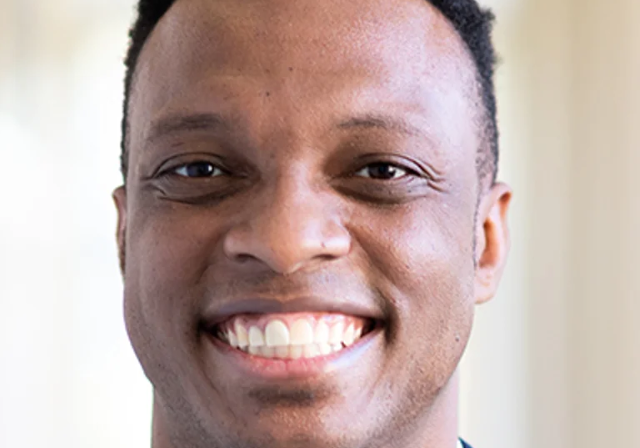
Dr. Theon Hill
Dr. Theon E. Hill (Ph.D., Purdue University) serves as Associate Professor of Communication at Wheaton College where he researches and teaches at the intersections of race, politics, and religion. His first sole-authored book Searching for the Promised Land: Black America and the Rhetorical Politics of the Obama Era is under review with The University of Chicago Press. In addition to his research, Theon serves as the current president of the Religious Communication Association and the Transformative Justice Officer for the Rhetoric Society of America.
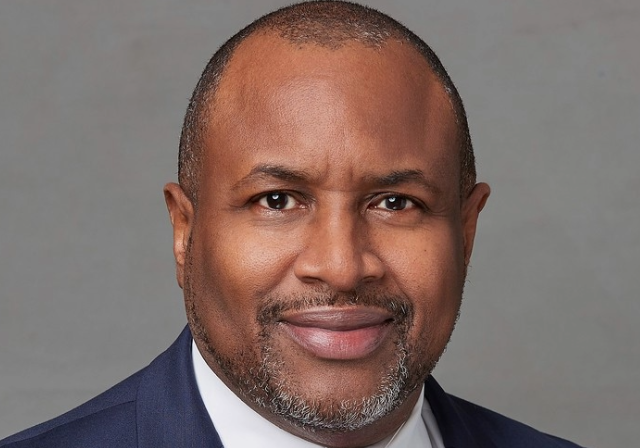
Dr. Andre E. Johnson
Dr. Andre E. Johnson is a Professor of Communication at the Department of Communication and Film at the University of Memphis. His impressive credentials include being an Orlando Taylor Distinguished Scholar of Africana Communication and a Douglas R. Ehninger Distinguished Professor of Rhetorical Studies. Moreover, he has taken on the significant role of Director of the newly established Center for the Study of Rhetoric, Race, and Religion and the editor of the Journal of Communication and Religion—the flagship journal for religious communication scholars. In addition to his primary role at the University of Memphis, Dr. Johnson is a Distinguished Professor at Memphis Theological Seminary. He is also an affiliate faculty member of Christian Theological Seminary and the Andrew Mellon Just Transformation Satellite Partner with Penn State University’s Center for Black Digital Research.
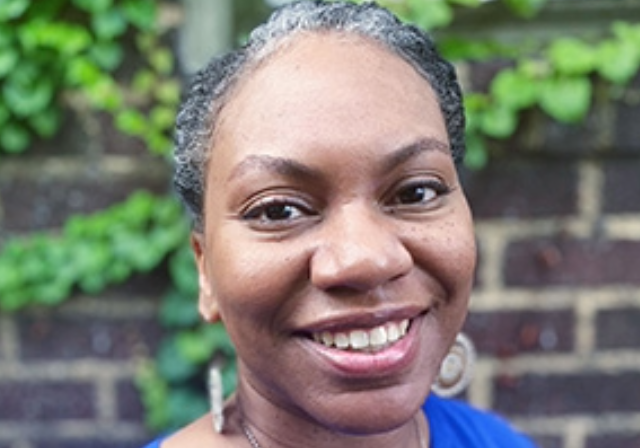
Dr. Tahirah Walker
Dr. Tahirah Walker, Ph.D., is an assistant professor of organizational development and innovation and chair of the Department of Community Engagement & Leadership in the Rowland School of Business at Point Park University. Prior to joining the faculty of Point Park, Dr. Walker served as faculty at the University of Pittsburgh, Penn State University and Bethany College. In her time at each institution, she enjoyed working in additional capacities of learning design manager, director of student support services and director of diversity, equity and inclusion.
Conference Details
Registration fee includes coffee all day, reception (hors d'oeuvre and wine), lunches
and Friday breakfast buffet.
Faculty: $150
Graduate student: $75
Duquesne undergraduate: $0
Registration is now available.
Tuesday, May 26
The Center for the Study of Rhetoric, Race, and Religion is pleased to partner with the Department of Communication & Rhetorical Studies and the Communication Ethics Institute at Duquesne University for the 7th Biennial Philosophy of Communication Conference. The Biennial Philosophy of Communication Conference has a tradition of examining the intersection of philosophy and communication. The conference welcomes a wide variety of perspectives, intellectual traditions, and research methods. The conference's history has prioritized phenomenological, existential, rhetorical, semiotic, and ethical approaches to communication. The theme of this year’s conference is Rhetoric, Race, and Religion. The conference theme is a call to reflect on race and religion in the current moment.
Relive PhilComm's Best Moments of 2026
Wednesday, May 27
Except for Thursday May 27’s late afternoon sessions, all events take place in College Hall (COLH) on Duquesne University’s campus (campus map). The address of Duquesne’s College Hall is 1100 Locust St, Pittsburgh, PA 15282. The address for August Wilson House is 1727 Bedford Ave, Pittsburgh, PA 15219.
If you are parking at Duquesne University, use Duquesne University Forbes Avenue Parking Garage, located at 1180 Forbes Avenue, Pittsburgh, PA 15219.
9:30 - 10:30 a.m. Arrive/Register COLH 341
College Hall (COLH) room 341 will be the registration, and break room. You can pick
up name tags, coffee, and lunches there.
All talks will take place in College Hall room 104 and 105
10:30 - 11 a.m. Welcome COLH 104
- Dean Kris Blair, Duquesne University
- Janie Harden Fritz, Duquesne University
- Erik Garrett, Duquesne University
- Fr Lazarus Langbiir, Duquesne University
11 a.m. - 12:15 p.m. Panel 1 Grigsby Rhetoric, Race and Religion Class Panel COLH 104
Chair: Victor Grigsby, Duquesne University
- Rodney Lyde, Duquesne University, This Is My Story This is My Song: Entitling in Black Discourse about Race
- Darius Branche, Duquesne University, Exclusion and the Community: Race, Christianity, and the Hope of the Transcendental
- Jackie Lyde, Duquesne University, Kamala Harris DNC Speech: The Rhetoric of Dreams Deferred
- Richard Wingfield, Duquesne University, Lift Every Voice and Sing: Hymnody, Hope, and the Rhetorical Construction of Black Fait
12:15 – 1:15 p.m. Lunch – The Incline first floor of the Student Union, behind the elevators (pick up your voucher in COLH 341)
1:15 – 2:15 p.m. Panel 2 Aesthetics, Religion, Icons, and Indigenous Stories COLH 104
Chair: Rodney Lyde, Duquesne University
- Rodney Lyde, Duquesne University, The Message: Rhetorical Witnessing and the Disclosure of Lived Experience in Hip-Hop – Grandmaster Flash and the Furious Five
- Erik Garrett, Duquesne University, I Can’t Live Without My Radio: The Boom box as Emancipatory Technology – LL Cool J
- Jackie Lyde, Duquesne University, U.N.I.T.Y.: Intra-Community Rhetoric, Gender, and Ethical Correction in Hip-Hop – Queen Latifah
- Victor Grigsby, Duquesne University, D.O.A. (Death of Auto-Tune): Authenticity, Aesthetic Judgment, and Intra-Community Regulation in Hip-Hop – Jay Z
- Theon Hill, Wheaton College, The Heart Part 5- Kendrick Lamar, Visual Polyrhythms, and the Possibility of Hope – Kendrick Lamar
2:30 – 2:45 p.m. Hip-Hop as Counterpublic Communication: Rhetorical Modes and the Disclosure of Lived Experience COLH 104
Chair: Erik Garrett, Duquesne UniversitySarah DeIuliis, Duquesne University, The Pop Art Aesthetic: Visual Rhetoric and Religion
in Warhol’s Silkscreens
Natalia Tapsak, Duquesne University, I and Thou in Iconographic Dialogue: Iconic Vision
as
Self-Transformation
Linda Coleman, Duquesne University, Native American Rhetoric: Telling their Story
Panel 3b Food, Rhetoric and Identity COLH 105
Chair: Yaroub Al Obaidi, Duquesne University
- Andrew Connolly, Duquesne University, Gas Station Sushi and Reheated Pizza: Myth, Narrative, and the white Identity in America
- Gary Hughes, Duquesne University, The Rhetoric of Food: Cultural Embodiment and Identity
- Yaroub Al Obaidi, Duquesne University, The Rhetoric of Food Absence from the Table
- Anthony Luchini, The Meals of Our Lives: What A Good Meal and The Teaching of Writing Have in Common
4 - 5 p.m. Panel 4 COLH 104
Chair: Janie Harden Fritz, Duquesne University COLH 104
Keynote Dr. Andre E. Johnson (University of Memphis)
“Creating Democracy: The Rhetorical Ethics of the Colored Convention Movement”
Thursday, May 28
9-9:30 a.m. Arrive / Registration COLH 341
9:30 – 10:45 a.m. Panel 5 Rhetoric and Current Politics COLH 104
Chair: Janie Harden Fritz, Duquesne University
- Seth Wilden-Patel, Thayer University, Strip Mining “God Memories”: Extractive Epideictic, Racial Nostalgia, and the Rhetorical Career of J.D. Vance
- Mridula Mascarenhas, California State University, Monterey Bay, A Christian Attempt to Liberalize Texas Politics: The Religious-Political Rhetoric of James Talarico
11 a.m. – 12:15 p.m. Panel 6 Textual Readings on Rhetoric, Race or Religion COLH 104
Chair: Fr Lazarus Langbiir, Duquesne University
- Fr Dominic Maximilian Ofori, University of Ghana, Peace as Communicative Praxis: A Hermeneutic of Faith Reading of Pope Leo XIV’s African Discourse
- Diana Nogay, Old Dominion University, A Heritage and a Future: A Rhetorical Analysis of Mordecai Johnson's Howard University Inauguration Address
- Angela Rehbein, West Liberty University, ‘I am black, but O! my soul is white’: William Blake’s ‘The Little Black Boy,’ the Rhetoric of Race, and Eighteenth-Century Evangelicalism”
12:15-1:15 p.m. Box Lunch Pick up in COLH 341
1:15 – 2:30 p.m. Panel 7a Media Ecological Intersections with Rhetoric, Race and Religion COLH 104
Chair: Ryan McCullough, West Liberty University
- Ryan McCullough, West Liberty University, The Media Ecology Canon: A Reckoning with Whiteness
- Erik Garrett, Duquesne University, Media Ecology, Whiteness, and the Problem with Tribalization
- Austin Hestdalen, Purdue University, Northwest, Faith in Technology: The Rhetoric of Salvation in Smart Cities and Urban Discourse
- Tiffany Alana Petricini, Penn State University, Erie, Algorithmic Mediation and the Rhetoric of Race: Communication Ethics in Predictive Environments
- Khadijah Pettus, Duquesne University/Bethany College, Holler if you Hear Me: Consciousness in a Mediated World
- Brent Malin, University of Pittsburgh, What is French to ChatGPT (and John Searle)?: Generative AI and the Question of Identity
Panel 7b Radical and Insurrectionist Rhetoric COLH 105
Chair: Rodney Lyde, Duquesne University
- Derek Handley, University of Wisconsin-Milwaukee, Radical Black Pittsburgh: Bethel AME and the Church as a Political Laboratory
- Darius Branche, Duquesne University, Burke and Cesaire: Poetics, and the Dialectics of Antithetical Movement
- Samuel Edogbanya, Duquesne University, A Case for Bishop Henry McNeal Turner's Call for the Back-to-Africa Movement
2:45 – 3:45 p.m. Panel 8a Religion and Mediation COLH 104
Chair: Janie Harden Fritz, Duquesne University
- Richard Talbert, Heidelberg University, Terminal Digimodernism: AI Jesus and Digital Necromancy
- Hanna Chumachenko Lassowsky, Duquesne University, Icons of "The Great Russian Literature” and Virtual Realities of Russian Misinformation Campaigns: A Phenomenological Approach
Panel 8b Rhetoric, Race, Religion and Witnessing COLH 105
Chair: Sarah DeIuliis, Duquesne University
- Andri Kosasih, Duquesne University, Testimony and racial Visibility: The Ethics and Instability of Witnessing
- Richard Thames, Duquesne University, Witnessing as a Student Newspaper Writer the Memphis Sanitation Worker’s Strike and Martin Luther King Jr’s Assassination
Break: Reconvene at August Wilson House, 1727 Bedford Ave, Pittsburgh, PA 15219
4:30 - 5 p.m. Panel 9 – Tour and Welcome: August Wilson House
Chair: Erik Garrett, Duquesne University
- William Generett Jr. J.D., Senior Vice President Civic Engagement and External Relations, Duquesne University
- Denise Turner, J.D. August Wilson House Executive Director, University of Pittsburgh
5 - 6 p.m. Panel 10 – Heritage, Legacy and the Black Sacred: Rhetoric, Race and Religion in August Wilson’s Pittsburgh Cycle
Chair: Erik Garrett, Duquesne University
- William Baker, Duquesne University, August Wilson’s Joe Turner’s Come and Gone and the Phenomenology of Black Religion
- Victor Grigsby, Duquesne University, Striking the Chord: Communicating the Legacy of the Past, the Rhetorical Hauntings of the Present and the Religious Grounding of the Future in August Wilson’s Piano Lesson
- Jackie Lyde, Duquesne University, Beyond the Physical Fence: Communication as Emotional Barrier in August Wilson’s Fences
- Rodney Lyde, Duquesne University, Radio Golf: A Shout-Out to the Black Middle Class as Rhetorical Address
6 - 7 p.m. Panel 11
Chair: Erik Garrett, Duquesne University
Keynote Dr. Theon Hill (Wheaton College)
“August Wilson and the Rhetoric of Exodus”
7 - 9 p.m. Reception at the August Wilson House
Friday, May 29
9:30 – 9:45 a.m. Arrive/Registration COLH 341
Concurrent Panels
9:45 – 11:00 a.m. Panel 12a Afrocentric and Afro-Semiotic Perspectives COLH 104
Chair: Victor Grigsby, Duquesne University
- Samuel Edogbanya, Duquesne University, African Representation: An Exploration towards Afro-Semioticd
- Atira B. E. Pressley, Regent University, From Transmission to Reception: Morrison’s Theological Ethics of Hearing and Communication
- Vera Smith Pacheco, University of Colorado, The Rhetoric of Guilt: Scapegoating and Feminist Transgression in Costa Rica
11:15 – 12:15 p.m. Panel 13
Keynote Dr. Tahirah Walker (Point Park University)
“Rhetorical Intersectionality”
Chair: Victor Grigsby, Duquesne University
- Atira B. E. Pressley, Regent University, From Transmission to Reception: Morrison’s Theological Ethics of Hearing and Communication
- Vera Smith Pacheco, University of Colorado, The Rhetoric of Guilt: Scapegoating and
Feminist Transgression in Costa Rica
12:15 – 1:15 p.m. Lunch, The Incline first floor of the Student Union, behind the elevators (pick up your voucher in COLH 341) COLH 341
1:15 – 2:30 p.m. Panel 14a Communication Ethics Rhetoric, Race and Religion COLH 104
Chair: Rodney Lyde, Duquesne University
- Janie Harden Fritz, Duquesne University, Rhetoric, Race, and Religion: A Communication Ethics Perspective
- Andri Kosasih, Duquesne University, Civil Religion and Racialized Public Reason: The Hidden Theology of Communication
- Joshua Ewalt, Northern Michigan University, Navigating the Anticipations of Life in Common: Form, Potentiality, and Communication Ethics
Panel 14b Fanon, Rhetoric and Technology COLH 105
Chair: Erik Garrett, Duquesne University
Toward a Fanonian Analysis of Digital Groups’ Interaction: Qualichat and Inclusive Rhetoric
- Kochav Koren, Duquesne University
- Icaro Veira, Independent Researcher
2:30 – 2:45 p.m. Closing COLH 104
Special Thank You
- A special thank you to Ms. Kimberly DaSilva and Kochav Koren for your work on the conference.
- As well as a thank you for financial support from Dean Kris Blair and the McAnulty College of Liberal Arts, an internal NEH grant, as well as William Generett, Vice President of Civic Engagement and External Relations.
- A thank you to the August Wilson House for hosting us on Thursday night.
- The faculty planning committee includes Drs. Garnet Butchart, Janie Harden Fritz, Erik Garrett, Victor Grigsby, Andre E. Johnson and Annette Madlock.
* Errata
1. Remove Tom Duncanson, Green Citizen Diplomacy Project, Notes on Indigenous Knowledge
in Belém and Beyond: Epistemic Transition in Gutierrez, Díaz, and Brondizio from panel
2a Rhetoric and Indigenous Knowledge Wednesday, May 27
2. Remove Nicole (“Nikki”) Lemire-Garlic, Thomas Jefferson University, Beyond Perlocutions:
Nommo, Muntu, and Speaking Things into Existence from panel 12a Afrocentric and Afro-Semiotic
Perspectives Friday, May 29
3. Concurrent panel 2a and 2b combined into one panel:
1:15 – 2:15 Panel 2 Aesthetics, Religion, Icons, and Indigenous Stories COLH 104
Chair: Erik Garrett, Duquesne University
Sarah DeIuliis, Duquesne University, The Pop Art Aesthetic: Visual Rhetoric and Religion
in Warhol’s Silkscreens
Natalia Tapsak, Duquesne University, I and Thou in Iconographic Dialogue: Iconic Vision
as Self-Transformation
Linda Coleman, Duquesne University, Native American Rhetoric: Telling their Story
4. Concurrent panel 12a and 12b combined into one panel:
9:45 – 11:00 Panel 12 Afrocentrism and Feminism in Rhetoric, Race, and Religion COLH 104
Chair: Victor Grigsby, Duquesne University
Samuel Edogbanya, Duquesne University, African Representation: An Exploration towards
Afro-Semiotics
Atira B. E. Pressley, Regent University, From Transmission to Reception: Morrison’s
Theological Ethics of Hearing and Communication
Vera Smith Pacheco, University of Colorado, The Rhetoric of Guilt: Scapegoating and
Feminist Transgression in Costa Rica
Pittsburgh International Airport has direct international flights from London, UK
and easy connecting flights via major US cities. The airport is 18 miles, approximately
20 minutes, to Duquesne University.
A ride sharing service such as Uber is the fastest way to get from the airport to
Duquesne University. Hail a ride with your smartphone app and meet your driver outside
Baggage Claim Door #4 at the Arrivals Curb.
If you plan to use public transportation, the Port Authority bus 28X Airport Flyer stops downtown at Liberty Avenue at Wood Street. It will take approximately 15 minutes to walk to campus from there.
Please review our Duquesne University Campus Map to find your way to the Power Center Ballroom, where the conference will take place.
Parking is available at Duquesne's Forbes Garage, 1180 Forbes Avenue, for $20/day. After you have parked, walk to the Skywalk from the 8th floor of the elevator to the Power Center, crossing over Forbes Avenue below. Off campus parking is also available.
Nearest walkable (10-15 minutes)
Marriott City Center
112 Washington Pl, Pittsburgh, PA 15219
(412) 471-4000
View reduced rate rooms
Cambria Hotel
1320 Centre Ave, Pittsburgh, PA 15219
(412) 381-6687
Double Tree by Hilton
One Bigelow Sq, Pittsburgh, PA 15219
(412) 281-5800
Also walkable
Omni William Penn
530 William Penn Pl, Pittsburgh, PA 15219
(412) 281-7100
Embassy Suites
535 Smithfield St, Pittsburgh, PA 15222
(412) 338-2200
Hilton Garden Inn
250 Forbes Ave, Pittsburgh, PA 15222.
(412) 683-2040
Kimpton Hotel Monaco
620 William Penn Pl, Pittsburgh, PA 15219
(412) 471-1170
Forbes/Locust Garage Weekday Rate
Summer Parking Schedule
Starts April 29, 2026 - Ends August 23, 2026.
General Parking Rules
- Daily parkers may park in the Forbes/Locust garage.
- Only Permit holders may park overnight.
- Only Permit holders may park in a surface space.
- No Overnight parking is enforced between 2am-5am.
Daily Parking Rates
Monday–Friday (5 a.m. – 5 p.m.)
- 0–2 Hours: $10
- 2–12 Hours: $14
- 12–24 Hours: $20
Evening and Weekend (5 p.m. – 2 a.m.)
- Flat Rate: $6
Event Rate
- Event Rate: $10-$50
Located in the heart of Pittsburgh, Pennsylvania, USA, Duquesne University is a vibrant, private institution known for its commitment to academic excellence and social justice. Duquesne University is home to the Simon Silverman Phenomenology Center, a hub for phenomenological research and scholarship, with extensive collections including the archives of prominent phenomenologists.
Contact Information
Department of Communication and Rhetorical Studies
Dr. Erik Garrett