


Doctor of Philosophy in Nursing
For over 30 years, more than 100 nurse scientists have graduated from our Doctor of Philosophy (PhD) in Nursing program and have gone on to careers in nursing education, research and organizational leadership in the United States and abroad.
The goal of our PhD in Nursing program - the first completely online PhD program in the country - is to engage you in an intensive, rigorous manner that prepares you to be a nurse scholar. Applied research courses in qualitative, quantitative and mixed methodologies will prepare you to function as an independent researcher upon graduation.
Period of Candidacy for the Doctor of Philosophy
A student is required to satisfy the Doctor of Philosophy in Nursing (PhD) degree requirements within eight (8) calendar years from the semester in which the student completes the first course for the degree. A student is required to complete all PhD Program course work, including core courses, electives, cognates, and practica, within five (5) calendar years from the semester in which the student completes the first course for the degree. Under unusual circumstances, the student may apply for an extension of the statute of limitations. Extensions of up to one (1) year (maximum total program – 9 years) may be granted under special circumstances. Students should consult the Nursing Graduate Student Handbook for additional information.
Students may not be enrolled in more than one doctoral program at any given time.
Program Information
The online PhD in Nursing program prepares you to become an independent researcher and nurse scholar through doctoral courses in qualitative, quantitative and mixed methodologies. An online Doctor of Nursing Practice to PhD option is also available.
Program Type
Major
Degree
Doctorate
School
Duration
3 or 4 years
Required Credit Hours
56
Modality
Online
Student and Alumni Perspectives
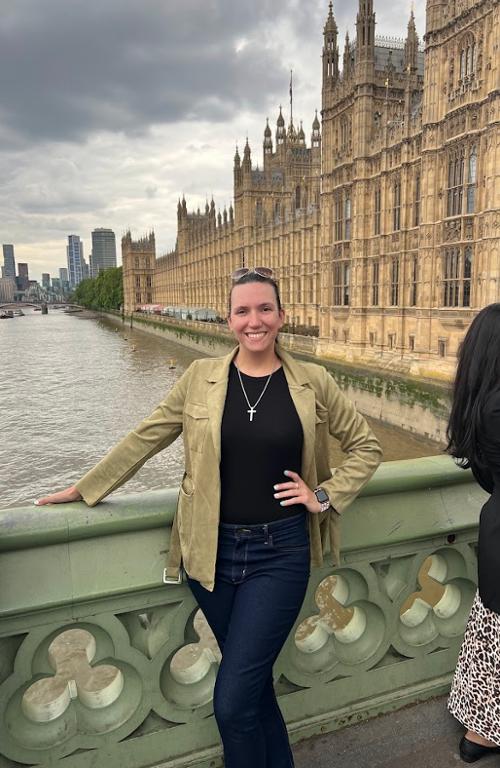
The study abroad program and having a concentration in transcultural nursing were major factors that stood out as reasons to select Duquesne. I work in a culturally diverse city and want to provide the best care to them using cultural humility and kindness.
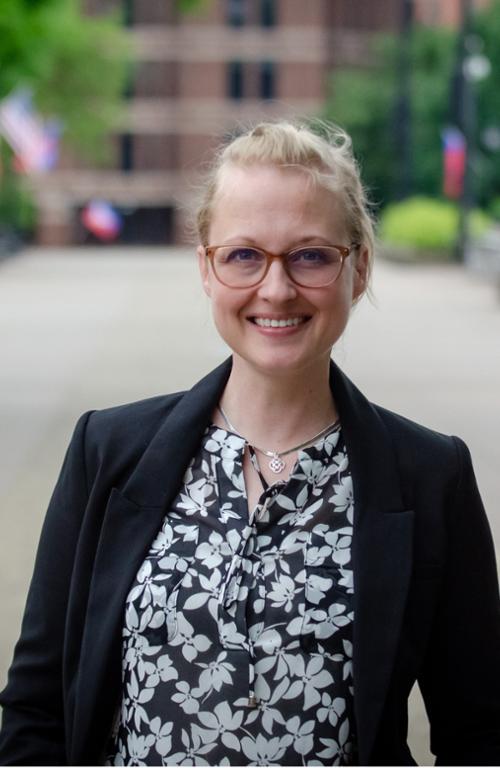
Duquesne captured my attention because of their emphasis on transcultural nursing. Knowing that I wanted to study cross cultural care, DU allows me to concentrate on my passion. The faculty here are experts in this field and have been able to support me in my research.
PhD Admissions
Admissions Criteria
- Current unencumbered license as a Registered Nurse
- A Bachelor of Science in Nursing degree
- A master's degree
- A Master of Science in Nursing is preferred. Applicants without a master's degree in nursing may be required to take additional nursing courses.
- References
- Applicants must provide three reference letters: two professional and one academic or three professional.
- Prerequisite courses:
- Graduate course in Statistics, completed within the past 5 years with a grade of B or better (3 credits).
- Graduate course in Nursing Research Methods (3 credits) or Research- or Evidence-Based Practice (3 credits).
- Prerequisite for international students: Graduate course in Nursing Theory (3 credits).
- Computer skills, including the ability to send and download attachments, word processing, spreadsheet, database management and presentation graphics
- Students must meet the Technical Standards for Admission
The admissions process for nursing graduate studies is handled exclusively by the School of Nursing.
Required Personal Documents
Submit the following through your application portal:
- Current curriculum vitae (CV): a complete resume with dated work and practice, honors, awards, publications and presentations.
- Copy of current unencumbered RN license.
- Document that addresses each of the following topics. Each statement should be a single
page (single spaced, 12-point font). Please ensure your name is on each page.
- Discuss how you made the decision to pursue the PhD program rather than the DNP program. Or, if you are a DNP to PhD applicant, discuss your decision to pursue a PhD.
- In 500 words, briefly describe your research area of interest and why it is relevant to nursing science.
- Scholarly writing sample authored by applicant (as a single author) that shows you are able to develop and present a coherent academic argument with good literature integration. This could include published articles, book chapters or books. The sample need not be new.
- The Request for Consideration for Credit form and supporting documents, if requesting transfer credits.
Transcripts
The following transcripts must be sent to the School of Nursing from the originating school(s):
- Official BSN transcript
- Official MSN transcript
- For DNP to PhD applicants: Official DNP transcript
- Official transcripts for prerequisite courses, if not included on master's degree program or DNP program transcripts
- Official transcripts of graduate courses, if requesting transfer credits
Transcripts can be submitted via E-script to bostbFREEDUQUESNE.
or
Arrange for these sealed documents to be sent to:
Duquesne University
School of Nursing - PhD Applications
600 Forbes Avenue
Pittsburgh, PA 15282
If you have ever attended Duquesne University, the University Registrar's Office will automatically forward an official transcript for any Duquesne University coursework directly to the School of Nursing on your behalf. This transcript will be provided as a courtesy and free of charge.
State Board of Nursing Exceptions
Duquesne University participates in the State Authorization Reciprocity Agreements (SARA). However, due to State Boards of Nursing regulations, the School of Nursing is unable to accept applications for admission to online programs and courses from students residing in:
- Alabama
- Arizona*
- Louisiana
- New York*
- Tennessee
- Washington
*Please note if you reside in Arizona or New York, Duquesne University is able to
accept applications for the PhD in Nursing and the PhD in Nursing Ethics programs.
Additional Requirements for International Applicants
General Admission Criteria
- You can apply to Duquesne University School of Nursing by submitting an online application and your post-secondary education transcripts. All bachelor's and master's degrees must be from an institution of higher learning and recognized as an acceptable equivalent to a U.S. college or university.
- Online students who will be practicing only in their native country should hold licensure or professional recognition of a nurse in that country. Online students who will be practicing nursing in the U.S. must have a current nursing license to practice in a state or territory of the U.S. where they will be practicing as students. In both of these situations, the applicant must provide verification of licensure.
Coursework Evaluation
Before you are admitted, your nursing coursework must be evaluated by the Commission on Graduates of Foreign Nursing Schools (CGFNS) to determine if your existing coursework is equivalent to the coursework requirements for our program.
Non-nursing coursework must be evaluated by any international credential evaluation organization that is a member of the National Association of Credential Evaluation Services (NACES).
English Proficiency Requirements
Duquesne University requires submission of the Test of English as a Foreign Language (TOEFL), International English Language Testing System (IELTS), Duolingo Test scores, or Pearson Test of English (PTE) for all non-native English-speaking applicants.
Students who submit official TOEFL scores of 100 iBT or higher, IELTS scores of 7.5 or higher, Duolingo scores of 125 or higher, current to within one year, are excused from English Language Placement Tests except for the written and spoken English tests. Applicants must also meet the following minimum sub scores in speaking and writing:
| Graduate | TOEFL | IELTS | Duolingo |
|---|---|---|---|
| Writing | 28 | 7.5 | 125 |
| Speaking | 25 | 7.5 | 125 |
Transfer Credit Policy
Applicants may submit a request for credit consideration. Submission of a request for consideration of credit does not guarantee approval. Each credit request will be reviewed on a case-by-case basis.
Transfer credits must meet the following criteria:
- Maximum of nine doctoral level credits from a regionally accredited university and approved nursing program may be transferred toward completion of the program requirements.
- Minimum grade of "B" or higher.
- Credits may not have been applied to a previous degree.
- Generally, courses must have been taken within the past five years. However, the Pennsylvania State Board of Nursing requires that Pharmacology must be taken within 5 years of the intended program completion in order to be eligible for prescriptive licensure. Students living outside of Pennsylvania should investigate the requirements for the State Board of Nursing in their home state.
- Pass/fail courses will not be considered for credit.
For each course you would like to request transfer credit, you must submit the following with other application materials:
- Request for Consideration for Credit form.
- Official transcript(s) if completed at outside of Duquesne University.
- Course syllabus for each requested course.
Your request will be evaluated by PhD faculty, and you will be informed of the decision in writing.
Additional Information
- If you are interested in graduate loans, please visit the University's Graduate Financial Aid page.
- If you are accepted, a non-refundable $250.00 deposit will be required to reserve your place in class.
- Individuals planning to practice in Pennsylvania who have been convicted of any crime (felony or misdemeanor) in any court or who have any criminal charges pending/unresolved may be prohibited from licensure or re-licensure as a registered nurse or may be mandated to complete additional requirements in order to be eligible for licensure, as determined by the PA State Board of Nursing. Any student with such a history must contact the PA State Board of Nursing Bureau of Health Professionals Monitoring (717) 783-4857 for guidance prior to enrollment.
- Students who plan on applying for licensure outside of the state of Pennsylvania should contact the State Board of Nursing in their respective state.
Duquesne’s School of Nursing offers students of select graduate nursing programs one
of the following scholarships and tuition discounts: a 25% scholarship, 35% scholarship,
or 55% tuition discount. The PhD faculty includes several fellows and department chairs. All faculty have areas
of research expertise, and we invite you to connect. Community health; Incarcerated adults; Health literacy; HIV/AIDS/infectious disease;
Adherence; Health promotion and care in vulnerable populations Community-engaged research; Philosophy of biology and medicine; Health disparities;
Maternal/child health; Health promotion; Mixed methods Vulnerable populations; Social justice; Health policy; Nursing education; Chronic
illness in adults Nursing education innovation; Inter-professional simulation; Bone marrow donation;
Oncology; Leadership; Quality and safety Technology in education; Improving access to resources for marginalized individuals;
Adaptive learning and personalization of education; AI in education Obesity and bariatric surgery; Behavioral lifestyle intervention; Psychosocial functioning;
Health behaviors; Clinical studies Pediatric Nursing; Nurses' moral distress; Nurses' burnout; Caring for victims of
child maltreatment Reproductive ethics and emerging reproductive technologies; Surrogate decision-making
for adults; Social epistemological questions in clinical ethics Genetic Literacy; Genetic education in nursing students; Vaccine refusal and the nurse's
role; Health outcomes of nursing students; Sleep in children with special needs; Photovoice;
Health care and people with disabilities Medically underserved; Working poor women and their resources; Poverty; Chronic illness
(especially hypertension and diabetes); Antibiotic overuse Perinatal substance use; Women's health; Midwifery Motivation and cognition; Peircean reasoning; Statistical analysis and modeling using
both Fisherian and Bayesian techniques; Multi-faceted wellness Vulnerable populations; Psychiatric implications in forensic nursing; Victims of
violence; Domestic violence; Sexual assault; Forensic nursing Social media in relation to health and well-being; Social media in relation to alcohol
use; Psychosocial factors on alcohol use and substance use; Brief alcohol interventions;
Cultural influences on health Women's reproductive health; Menstrual cycle research; Polycystic ovary syndrome Behavioral treatment of obesity; Weight loss and maintenance; Behavior change for
health promotion among vulnerable populations Biomedical Ethics; Ethical Theory Community based participatory action research; Psychiatric Mental Health Nursing;
Transcultural/international nursing; Cultural competence and health needs; Qualitative
research methodsGraduate Nursing Scholarships and Tuition Discounts
Meet the PhD Faculty
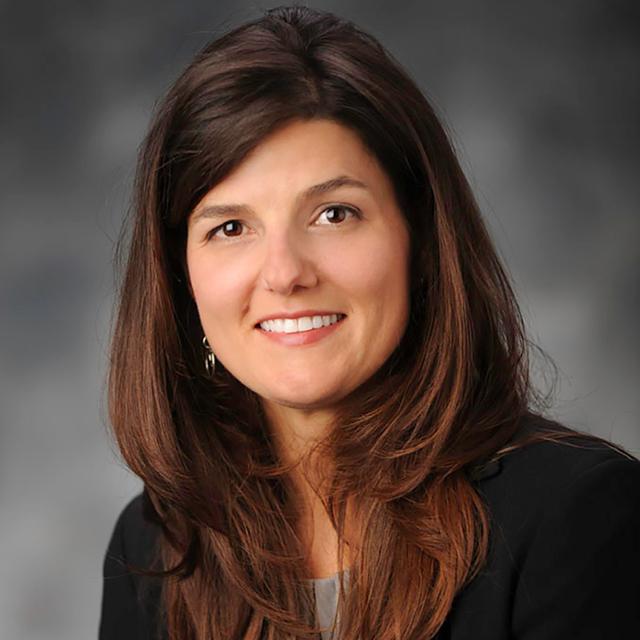
Alison Colbert, PhD, PHCNS-BC, FAAN

Jessica Devido, PhD, CPNP

Sr. Rosemary Donley PhD, APRN, FAAN

Mary Ellen Smith Glasgow, PhD, RN, ANEF, FNAP, FAAN

Julie Hinkle, PhD, RN, CNE, PNAP
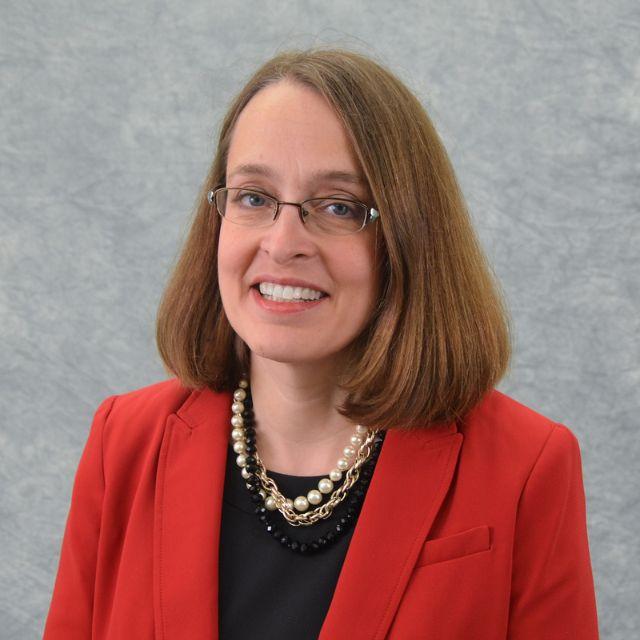
Melissa Kalarchian, PhD
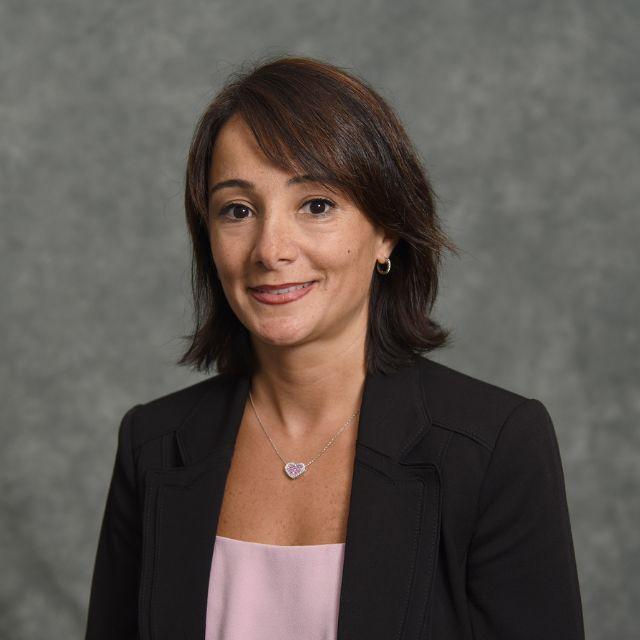
Angela Karakachian, PhD, RN
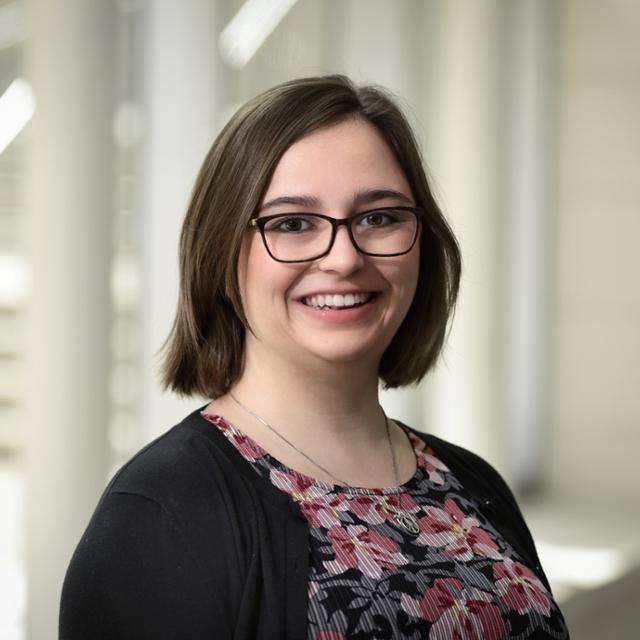
Megan Kitts, PhD, HEC-C
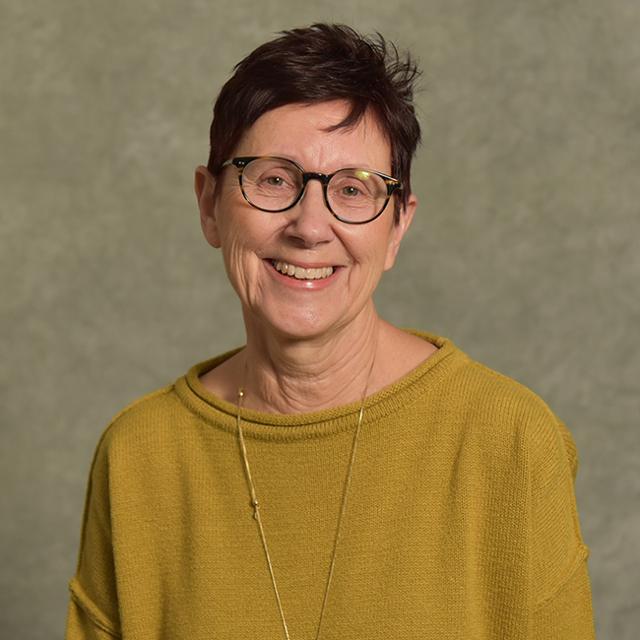
Rebecca Kronk, PhD, MSN, CRNP, ANEF, FAAN, CNE

Denise Lucas, PhD, FNP-BC, CRNP, FAANP

Lauren Narbey, PhD, CNM, WHNP

James Schreiber, PhD
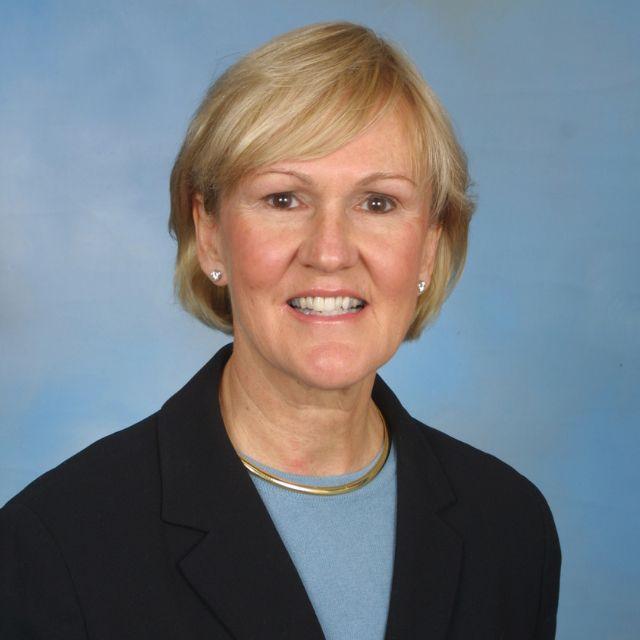
L. Kathleen Sekula, PhD, PMHCNS, FAAN

Mai-Ly Nguyen Steers, PhD
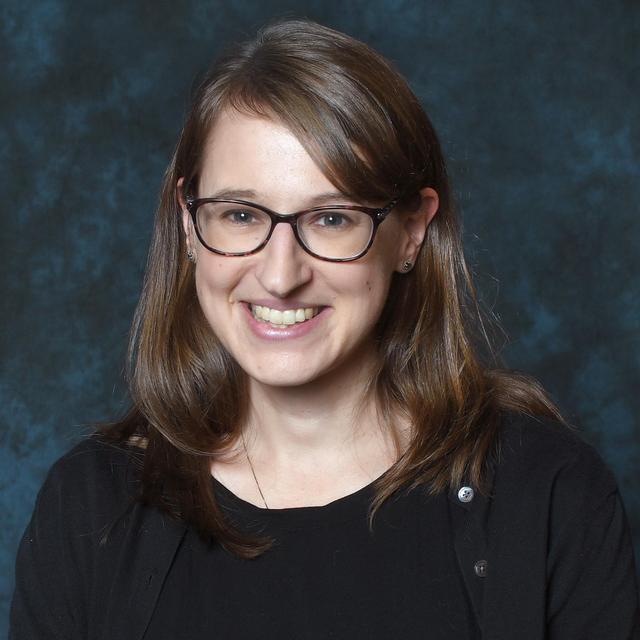
Theresa Stujenske, PhD, RN

Melanie Turk, PhD, RN

Eric Vogelstein, PhD

Rick Zoucha, PhD, PMHCNS-BC, CTN-A, FTNSS, FAAN
Revisions to courses and curricula are ongoing. The purpose of the PhD in Nursing program is to prepare graduates for a lifetime of
intellectual inquiry, creative scholarship and research. Graduates of the program
will be competent in research, scholarship and leadership within the profession of
nursing. The graduate must possess and demonstrate the following competencies: Spring - Scientific Tools Summer - Global View Spring - Immersion and Articulation Summer - Foundations Spring - Developing Independence Summer - Dissertation and Dissemination Spring - Scientific Tools Summer - Global View Spring - Immersion and Articulation Summer - Foundations Spring - Developing Independence Summer - Dissertation and Dissemination Spring - Dissertation and Dissemination Summer - Dissertation and DisseminationCurriculum
Summer - Foundations
Year Two
Fall - Science, Truth and Knowledge
Year Three
Fall - Immersion and Articulation
Year Four
Fall - Immersion and Articulation
51 credits Total
*Required on -campus
**Required Study Abroad
Summer - Foundations
Year Two
Fall - Science, Truth and Knowledge
Year Three
Fall - Immersion and Articulation
Year Four
Fall - Immersion and Articulation
Year Five
Fall - Dissertation and Dissemination
51 credits Total
*Required on -campus
**Required Study Abroad
Learning Outcomes
- Function as a nurse scientist by conducting original research that builds upon existing evidence and expands the body of knowledge in nursing and health.
- Utilize theoretical frameworks and research findings to guide inquiry that enhances health and health care delivery for all.
- Produce and disseminate scholarly work that contributes to the science and profession of nursing by communicating creative solutions to problems in nursing and health care.
- Lead collaborative research teams to reduce health care disparities on local, national,and global levels.
- Demonstrate high ethical standards in all research activities.
- Advocate for health care policies that are based on evidence and the principles of social justice.
Contact Us
Do you have questions about the PhD in Nursing program?
Brian Bost